
Commercial service
Surface Dressing
The cost-effective way to buy an existing road or yard more years — seals the surface, restores grip and keeps water out of the base, without a full rebuild.
About Surface Dressing
Surface dressing is the cheapest way to buy an existing road, yard or lane more years. A binder is sprayed onto the surface and stone chippings are rolled into it, sealing the road against water and putting the grip back — for a fraction of what resurfacing costs. On the right road, at the right time, it's the smartest maintenance money you can spend.
It isn't a repair, though, and it's important to be straight about that. Dressing a road whose base has already failed just puts a new skin on a bad road — the cracks and potholes come back through within a season. Surface dressing works when the road is fundamentally sound but the surface is dry, greying and starting to lose its skid resistance. Get the timing right and it adds years; get it wrong and it's money down the drain.
So we assess honestly first. Where the surface is sound, we dress it and you get a sealed, grippy road for far less than a rebuild. Where it isn't, we'll tell you it needs patching or resurfacing instead of taking payment for a dressing that won't hold — because a dressing that fails is worse than useless, it hides the problem while it gets worse.
Best for
- Sound roads and yards where the surface is drying out and losing grip
- Private lanes, farm tracks and estate roads that don't warrant a full rebuild
- Owners looking to extend a surface's life at a fraction of resurfacing cost
What’s included
- An honest assessment of whether dressing is the right answer at all
- Patching and pothole repairs first, where the surface needs them
- Binder sprayed at an even, controlled rate
- Chippings spread and rolled into the binder while it's live
- Rolling to bed the chippings firmly into the surface
- Sweeping once the surface has taken, to lift loose stone
- Guidance on keeping speeds down while the surface settles
How the job runs
- AssessWe check the surface is sound enough to dress. If it isn't, we say so — dressing a failing road is money wasted, and we'd rather lose the job than take it on those terms.
- Repair firstAny patching or pothole work is done and given time to settle before dressing goes near it. Dressing over an unrepaired defect just seals the problem in.
- Sweep and sprayThe road is swept clean — binder won't bond through dirt — then the binder is sprayed at an even, controlled rate across the surface.
- Chip, roll and sweepChippings go straight onto the live binder and are rolled in to bed them firmly. Once the surface has taken, loose stone is swept up, and we tell you how long to keep speeds down.
Materials & spec
What we build with
- Binder — Bitumen emulsion sprayed at a controlled, even rate — too little and it won't hold the stone, too much and it bleeds
- Chippings — Graded stone chippings sized for the road, rolled into the binder to form the new wearing surface
- Preparation — The existing surface swept clean and any defects patched and settled before dressing
- Rolling — Rolled while the binder is live to bed the chippings firmly, so they lock in rather than sweep away
- Aftercare — Loose chippings swept once the surface has taken; reduced speeds for a short settling period
Things worth knowing
The right road at the right time
Surface dressing has one job: to seal and re-grip a road that's structurally fine but ageing at the surface. Caught at the right moment — when the surface is greying and drying but before it's cracking up — it's transformative value, adding years for a small fraction of resurfacing cost. It's genuinely one of the best-value things you can do to a road.
The failure is always the same: dressing a road that's already too far gone. If the base is moving, if there are cracks and potholes forming, a dressing seals the surface for a few months and then those faults telegraph straight back through. That's why we assess before we quote — a dressing on the wrong road isn't a cheap fix, it's a wasted spend that delays the real one.
FAQ
Surface Dressing — common questions
How is surface dressing different from resurfacing?
Resurfacing replaces the wearing layer — planing off and laying fresh macadam. Surface dressing seals and re-grips the existing surface with sprayed binder and rolled chippings. Dressing is far cheaper and quicker, but it only works on a road that's still sound underneath. Resurfacing is what a worn-out surface needs; dressing is what a sound but ageing one needs to buy it years.
How long does a surface dressing last?
On the right road, a well-executed dressing lasts several years — often up to a decade — before it needs redoing. The variable is the road it's on: on a sound base it performs; on a failing one it doesn't, which is why we won't dress a road that needs more than a dressing.
Why is there loose stone afterwards?
Some loose chippings are normal for the first week or two while the surface settles and the binder fully grips the stone. We sweep the bulk of it once the surface has taken, and keeping speeds down over that period lets the remaining chippings bed in rather than being flung loose. It clears quickly.
Can you dress a road that has a few potholes?
We repair those first, let them settle, then dress over the lot. What we won't do is dress straight over unrepaired potholes — that just hides them for a few months. If the potholes are widespread, it's usually a sign the road needs resurfacing rather than dressing, and we'll tell you so honestly.
Is it suitable for a private drive as well as a road?
Yes — surface dressing works well on longer private drives, farm tracks and lanes that are sound but tired, and it's a fraction of the cost of relaying them. For a short domestic drive that's failing, resurfacing is often the better answer; we'll advise which fits your situation.
More from us
Other services
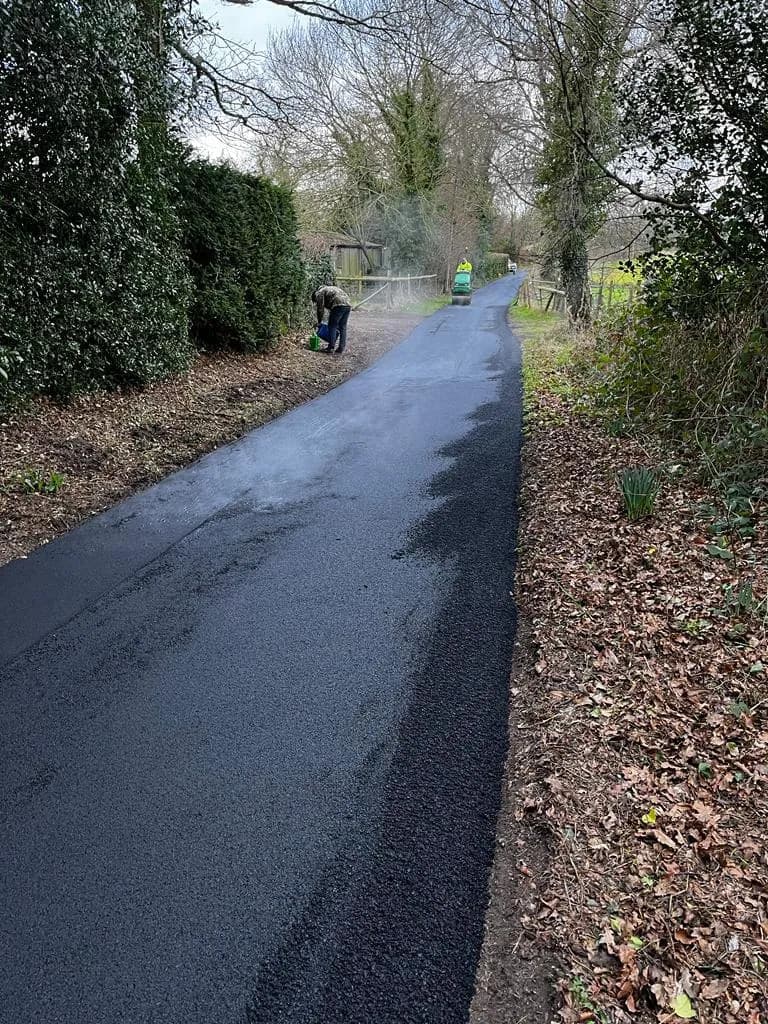
Road Surfacing
Estate roads, private lanes and unadopted roads — full-depth build or overlay, planed, laid and rolled to the spec the traffic actually calls for.
Discuss your project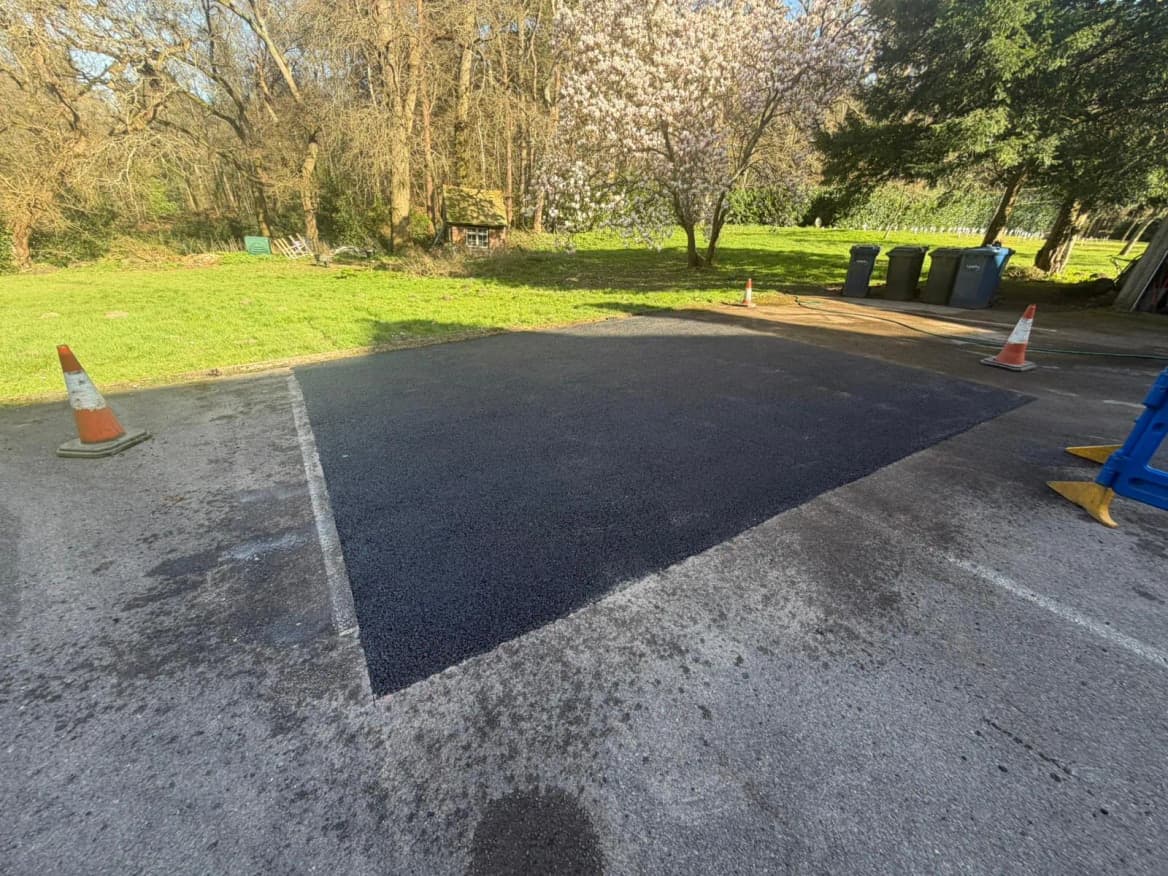
Pothole Repairs
One-off jobs or scheduled rounds for property managers, estates and councils. Cut out square, cleaned, primed, filled and compacted — a repair that lasts past the winter.
Book a repair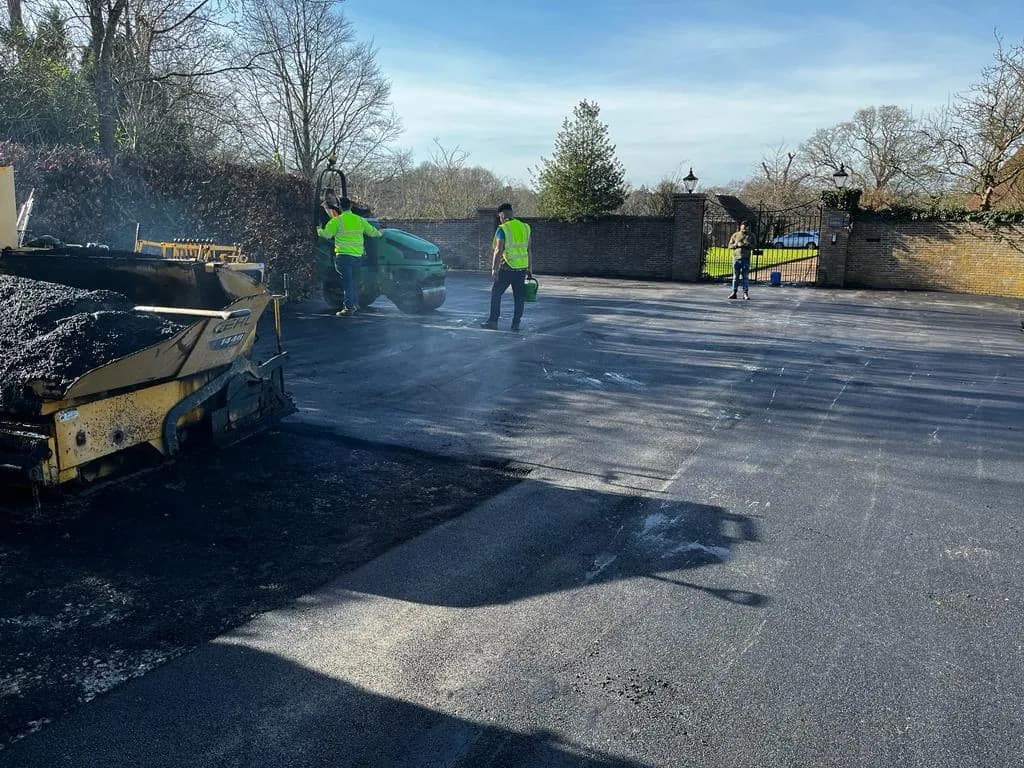
Car Park Surfacing
New builds and resurfacing for retail, office and residential sites — with drainage and line marking sorted at the same time, and the work phased so you keep trading.
Request a site visit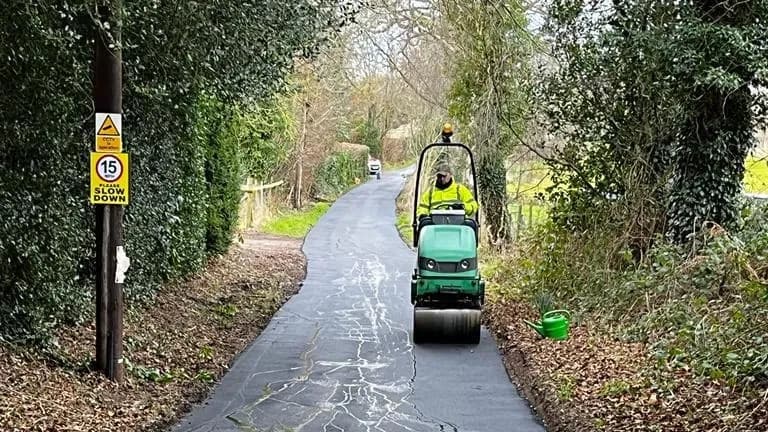
Private Roads & Estate Surfacing
For residents' associations, schools, hotels and country houses — surfacing phased around the people who use it, so access stays open while the work gets done.
Talk to us
Need a price for a driveway or surfacing project?
Free, no-obligation quotes. No project too small or too big.