

Commercial service
Pothole Repairs
One-off jobs or scheduled rounds for property managers, estates and councils. Cut out square, cleaned, primed, filled and compacted — a repair that lasts past the winter.
About Pothole Repairs
Most potholes come back because of how they were filled. Tip material into a wet, ragged hole, tamp it down, and it looks fine for a month — then water gets under the edges, freezes, and lifts the lot straight back out. The repair was never the hole itself; it was the edges and the base around it, and a shovel of cold-lay does nothing for either.
We cut the repair out square, take it back to sound material, rebuild it in compacted layers and seal the joint. It costs a little more than a bag of cold fill and a boot to press it down, and it's still there after the winter. For a car park, an access road or a private estate, that's the difference between a repair and a recurring line on the maintenance budget.
We take single potholes and one-off trip hazards, and we run programmed repair rounds for property managers, estates and facilities teams — a scheduled sweep that deals with defects before they become claims. Either way the method is the same, because the method is what makes a repair last.
Best for
- Property managers and facilities teams needing defects dealt with before they become claims
- Estates, schools and hotels with private roads and car parks to maintain
- Anyone tired of the same potholes reappearing every winter
What’s included
- A proper look at the failure, not just the hole you can see
- Repairs saw-cut square and back to sound material
- Loose material and standing water cleared before anything goes in
- A tack coat so the new material bonds to the old
- Rebuilt in compacted layers, not a single dumped fill
- Joints sealed so water can't get back under the edges
- Single repairs or a programmed schedule for multiple sites
How the job runs
- AssessWe check what's under the hole. A pothole is usually a symptom — if the base has failed, filling the top achieves nothing, so we work out how far the problem actually goes.
- Cut outThe repair is cut square and taken back to material that's genuinely sound, which is normally wider than the hole looks. Ragged edges are where a repair fails first, so they're cut clean.
- Clean and primeDebris and standing water come out, and the edges and base are tacked so the new material bonds to the old instead of sitting in the hole as a loose plug.
- Fill, compact and sealFilled and compacted in layers to the right depth, finished flush with the surface around it, and the joints sealed — because that edge is where a repair lives or dies.
Materials & spec
What we build with
- Cut and clean — Saw-cut square edges and a cleaned, dry base — the prep that decides whether the repair holds
- Tack coat — Bitumen emulsion on the edges and base so the new material bonds rather than plugs
- Fill material — Hot or cold macadam to suit the site and access, compacted in layers to the right depth
- Joint seal — The perimeter joint sealed against water — the single most-skipped step, and the reason repairs reappear
- Base rebuild — Where the base under the hole has failed, it's cut out and rebuilt — not surfaced over
Things worth knowing
Reactive repairs and programmed rounds
For a single dangerous pothole, a fast reactive repair is the right answer — it's a short job and we can usually get to it quickly. But for an organisation with roads and car parks across one or several sites, reacting to each defect as it's reported is the expensive way to do it: you pay a call-out each time, and defects that aren't yet reported keep growing.
A programmed round — a scheduled visit that deals with every defect at once — costs less per repair and heads off the trip hazards and claims before they happen. We can quote both, and for managing agents and facilities teams we'll put together a schedule that fits the budget and the risk rather than just the emergencies.
Where we do this
Pothole Repairs across Surrey
We cover the whole county — these are the towns we’re asked for pothole repairs most often.
FAQ
Potholes — common questions
Why do filled potholes keep failing?
Because filling isn't repairing. Cold-lay material dropped into a wet, ragged hole has nothing to bond to — water works under the edges, freezes and lifts it out. We cut the hole square, dry and prime it, rebuild in layers and seal the joint, so there's no edge for water to get under. That's why ours don't come back in the spring.
Can you do a whole site's worth in one visit?
Yes, and it's usually the cheaper way. A programmed round deals with every defect across a car park, estate or road network in one scheduled visit, rather than paying a call-out for each one as it's reported. We'll survey the site and quote the round as a whole.
How quickly can you attend a dangerous pothole?
For a genuine trip or vehicle hazard we can usually get to it quickly, because a single repair is a short job. Tell us where it is and how bad, and we'll give you a realistic time rather than a vague promise.
Do you provide a record of the repairs?
For managed sites, yes — a record of what was repaired and where is part of the service, which matters for facilities teams and managing agents demonstrating that defects were dealt with. We can provide before-and-after records as standard on programmed rounds.
Hot or cold material — does it matter?
It can. Hot-laid material compacts to a stronger, longer-lasting repair and is what we use where access and the job allow. Cold-lay has its place for rapid temporary make-safe repairs in awkward spots. We'll use whichever genuinely suits the site and tell you which, rather than defaulting to the quickest.
More from us
Other services
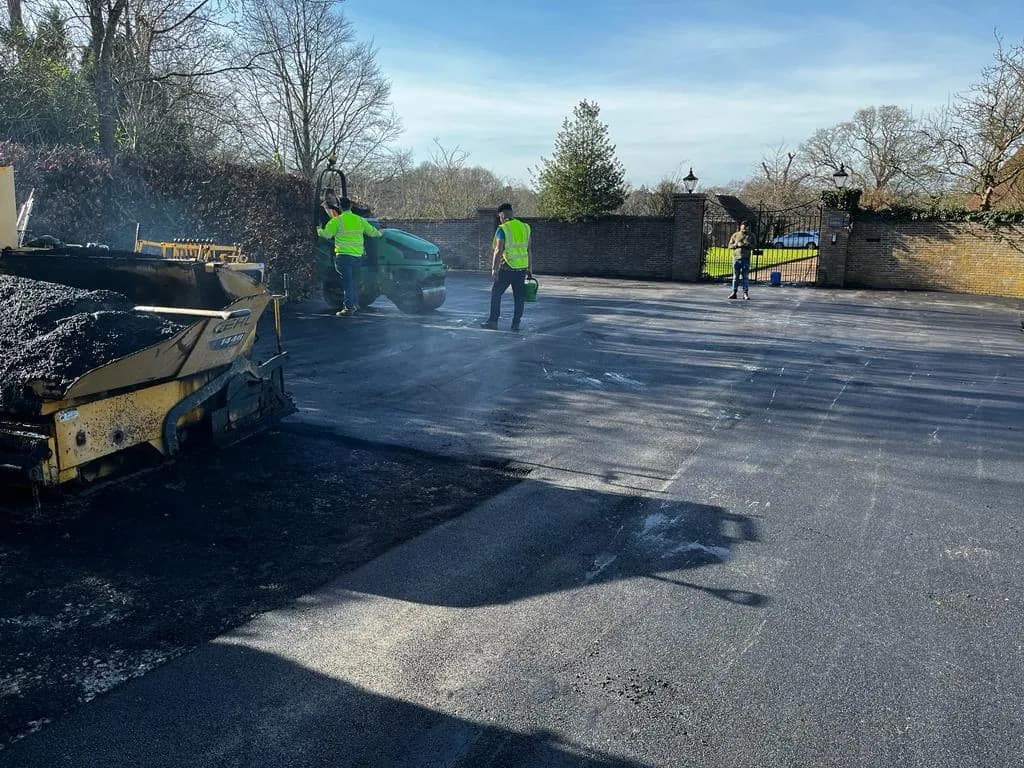
Car Park Surfacing
New builds and resurfacing for retail, office and residential sites — with drainage and line marking sorted at the same time, and the work phased so you keep trading.
Request a site visit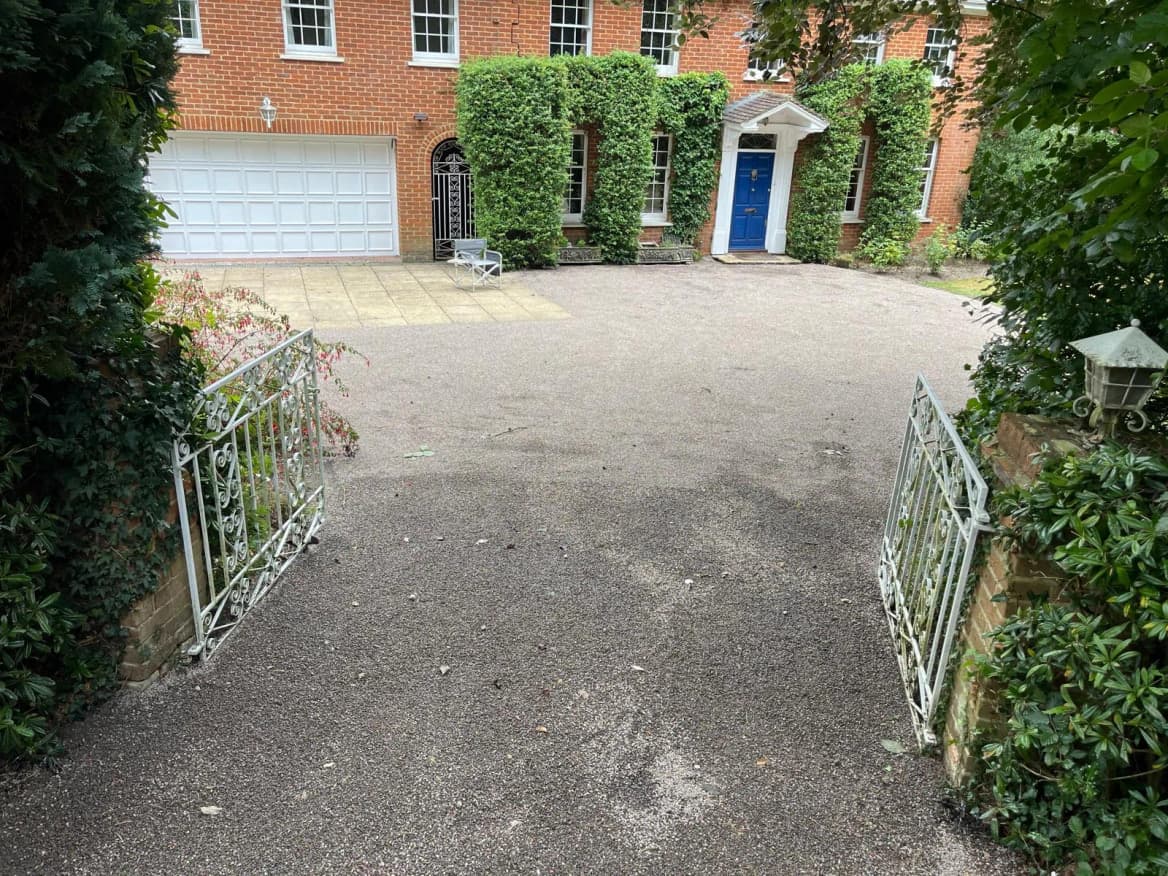
Surface Dressing
The cost-effective way to buy an existing road or yard more years — seals the surface, restores grip and keeps water out of the base, without a full rebuild.
Find out more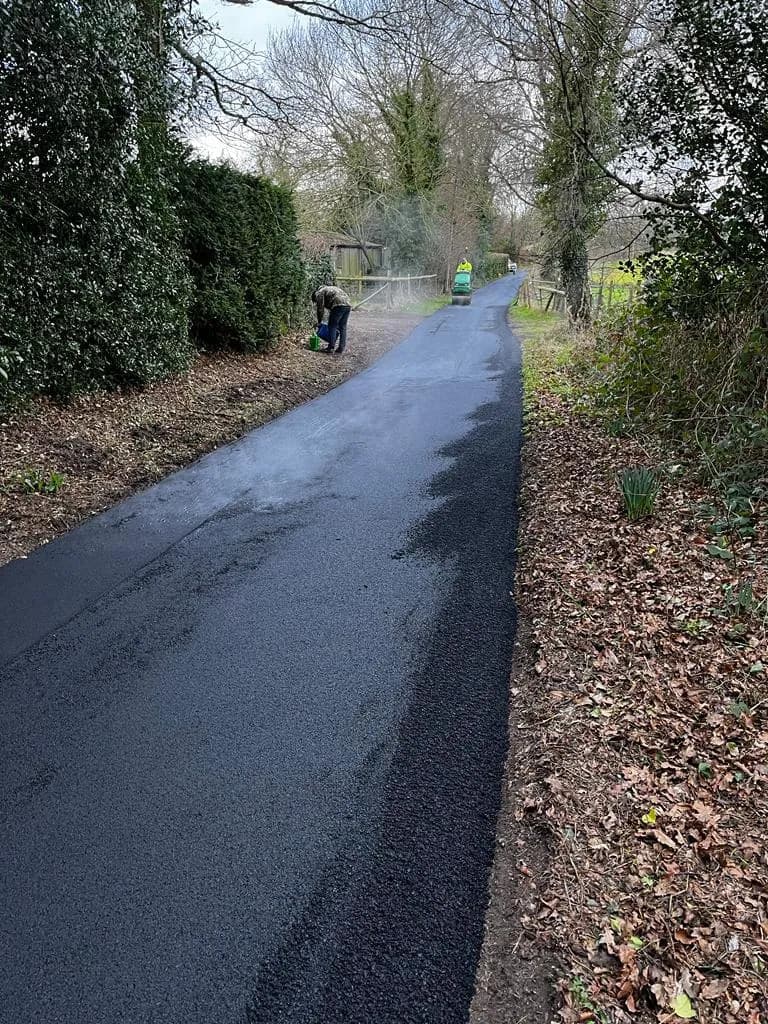
Road Surfacing
Estate roads, private lanes and unadopted roads — full-depth build or overlay, planed, laid and rolled to the spec the traffic actually calls for.
Discuss your project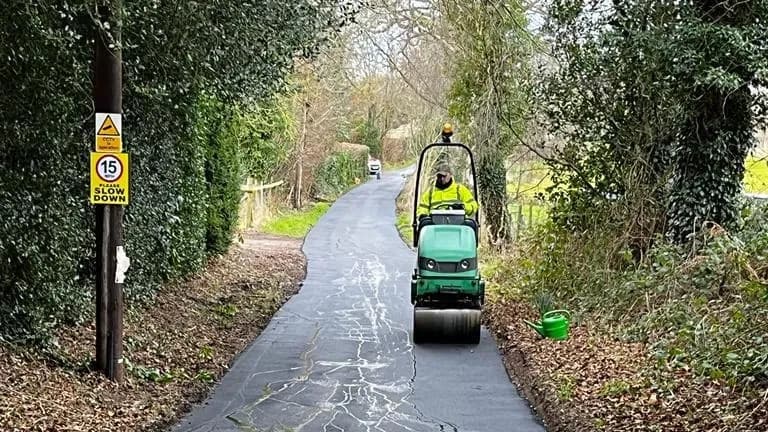
Private Roads & Estate Surfacing
For residents' associations, schools, hotels and country houses — surfacing phased around the people who use it, so access stays open while the work gets done.
Talk to us
Need a price for a driveway or surfacing project?
Free, no-obligation quotes. No project too small or too big.